
Like guides like this? Get new ones by email.
Not every tent is trying to do the same job, and one of the most common gear mistakes is buying the wrong category for what you actually do — an ultralight solo tent for family car camping, or a budget 3-season dome for an alpine winter trip. Here’s a spotlight on six real tents spanning six very different categories, and what each one is actually built for.
1. REI Co-op Trailmade 2 — Best Budget Backpacking Tent
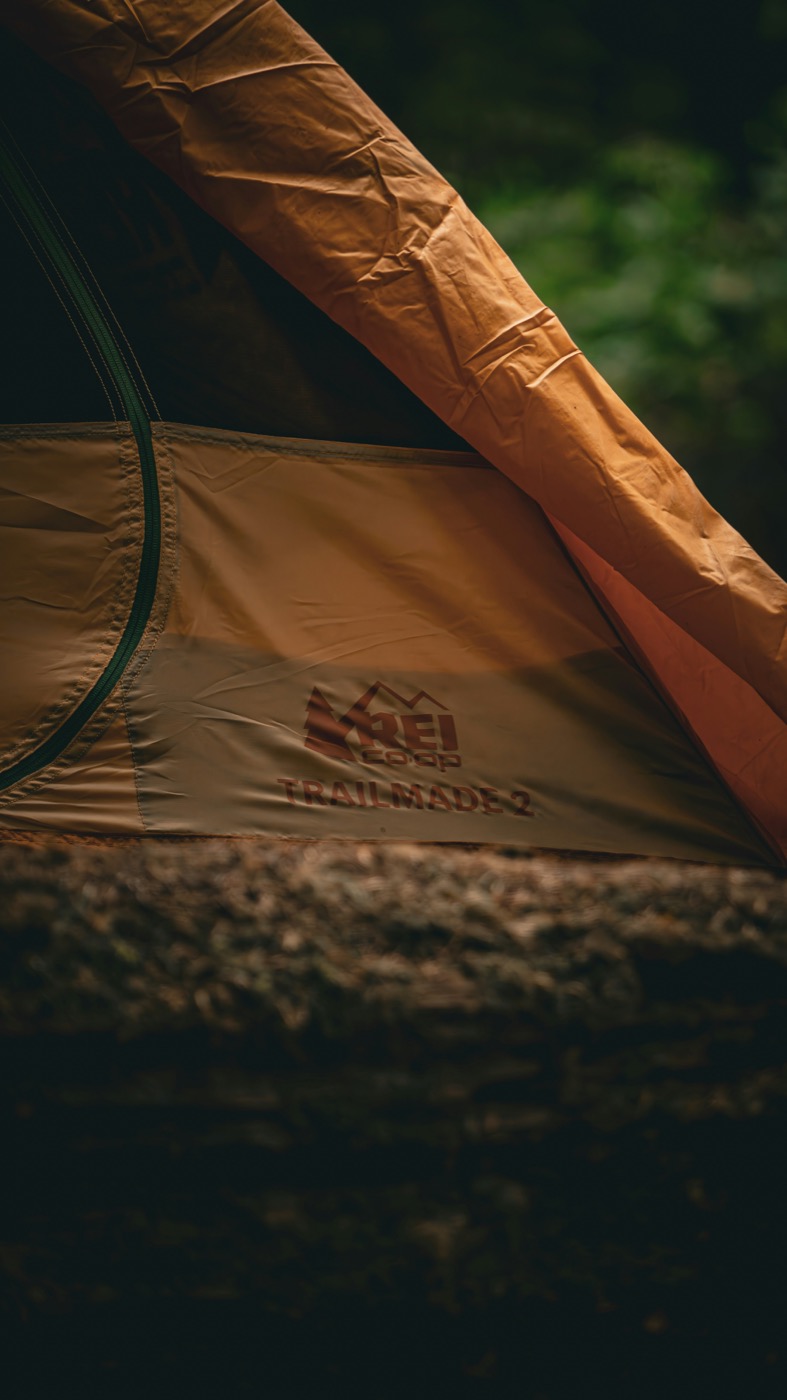
REI’s Trailmade line exists for exactly one reason: get new backpackers into a genuinely decent shelter without flagship pricing. It’s heavier than REI’s premium Half Dome or Quarter Dome lines, but it’s roomy, easy to pitch, and a smart way to find out what you actually want from a tent before spending real money on an ultralight one.
Who it’s for: New backpackers who want a reliable tent without a premium price tag.
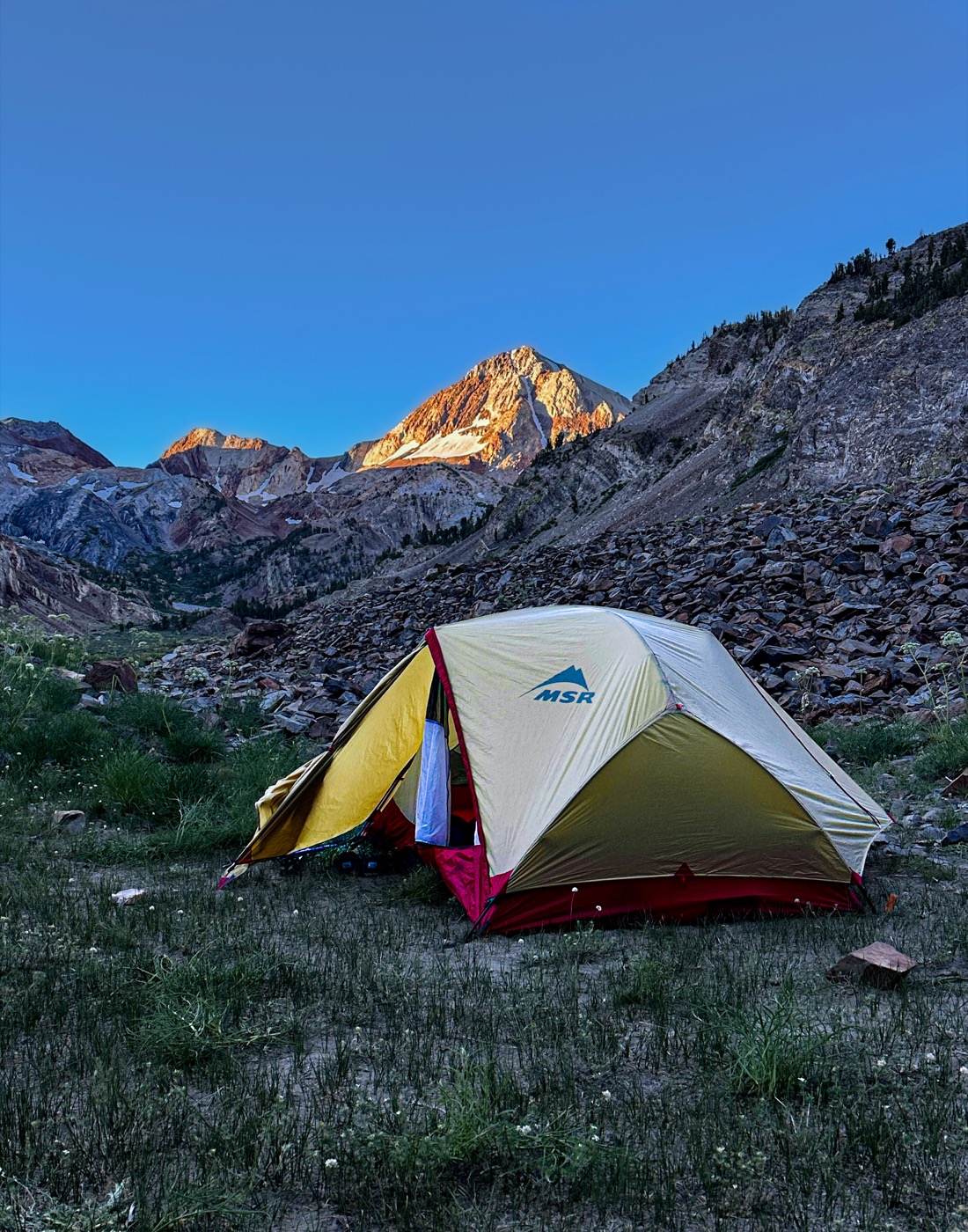
2. MSR Hubba Hubba — Best All-Around Backpacking Tent
The Hubba Hubba is one of the most trusted names in backpacking tents for a reason — a freestanding geodesic design that pitches fast, sheds wind well, and hits a genuinely excellent weight-to-livability ratio. It’s the tent a lot of thru-hikers and weekend backpackers land on after cycling through cheaper options.
Who it’s for: Backpackers who want one reliable 3-season tent for years of trips.
A benchmark freestanding backpacking tent — fast to pitch, handles real wind, and balances weight against livable space better than almost anything else in its class.
Check Price on Amazon →3. REI Co-op Kingdom 6 — Best Family Car Camping Tent
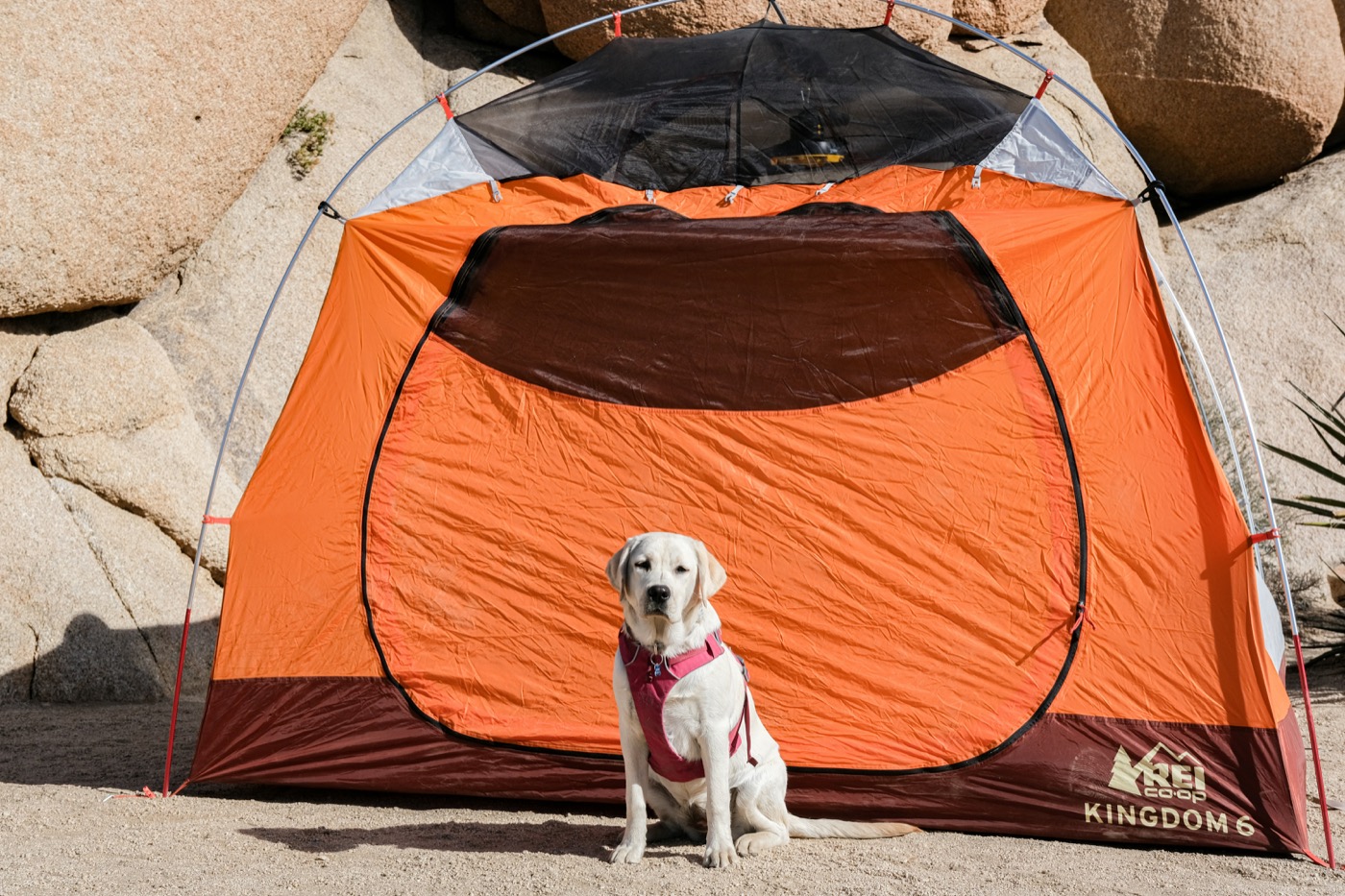
Weight doesn’t matter when your tent rides in the trunk, not your pack — and the Kingdom 6 is built around that fact. Tall enough to stand in, a room divider for actual privacy, huge doors, and enough floor space for a family (plus, evidently, an excellent dog). This is what “car camping tent done right” looks like.
Who it’s for: Families and groups car camping who want real livable space over weight savings.
4. Mountain Hardwear Trango — Best Expedition/Mountaineering Tent
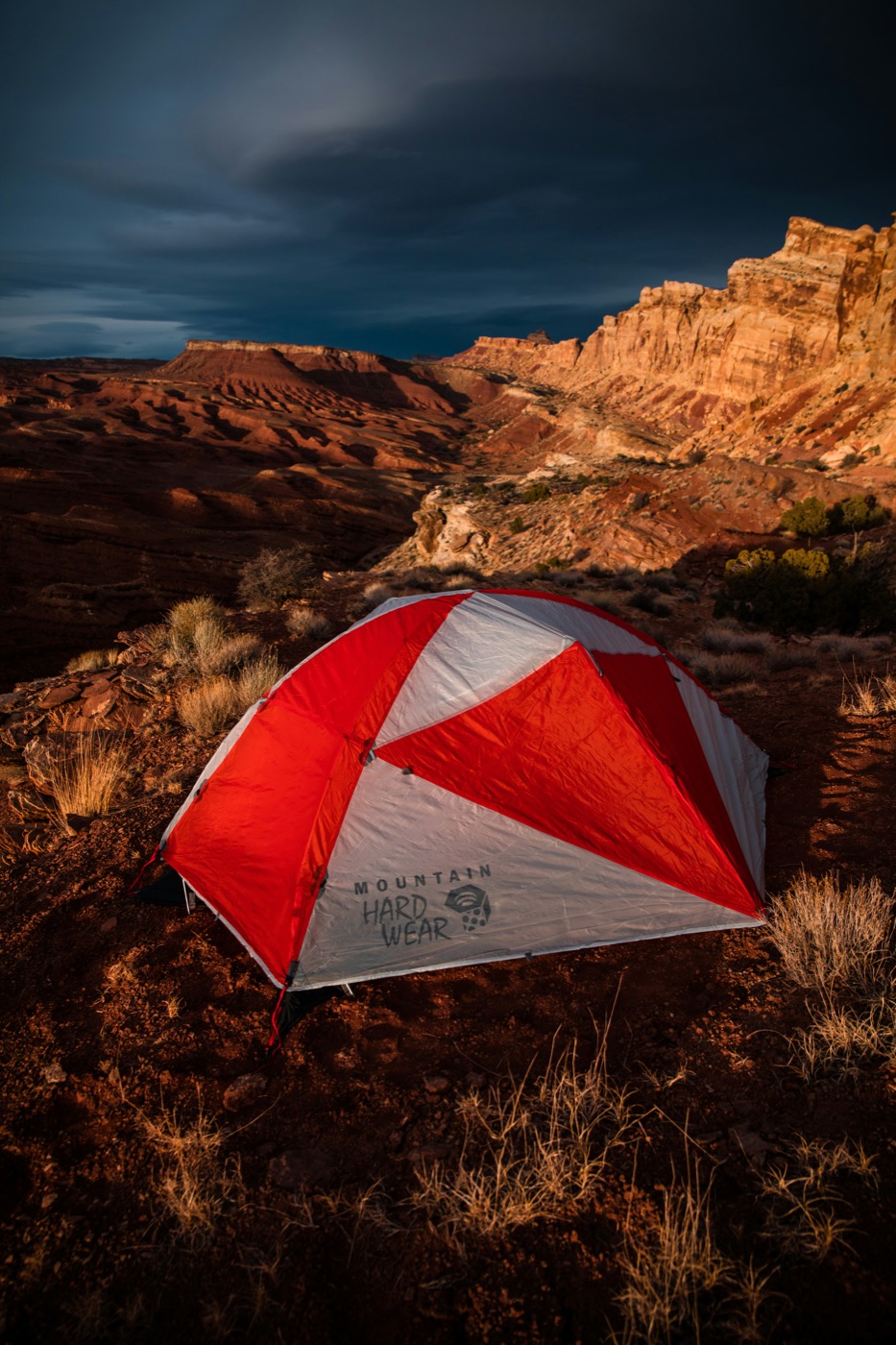
This is a different category entirely — a serious geodesic mountaineering tent built to survive high wind and real snow loading at altitude. Total overkill for a summer trail, and that’s exactly the point: when conditions turn genuinely dangerous, this is the shelter built specifically not to fail. If you’re not planning above-treeline winter trips or real expedition terrain, you don’t need this tent — but it’s worth knowing what the serious end of the category looks like.
Who it’s for: Winter mountaineering and genuine high-altitude expedition use.
5. Nordisk — Best Nordic-Style Minimalist Tent
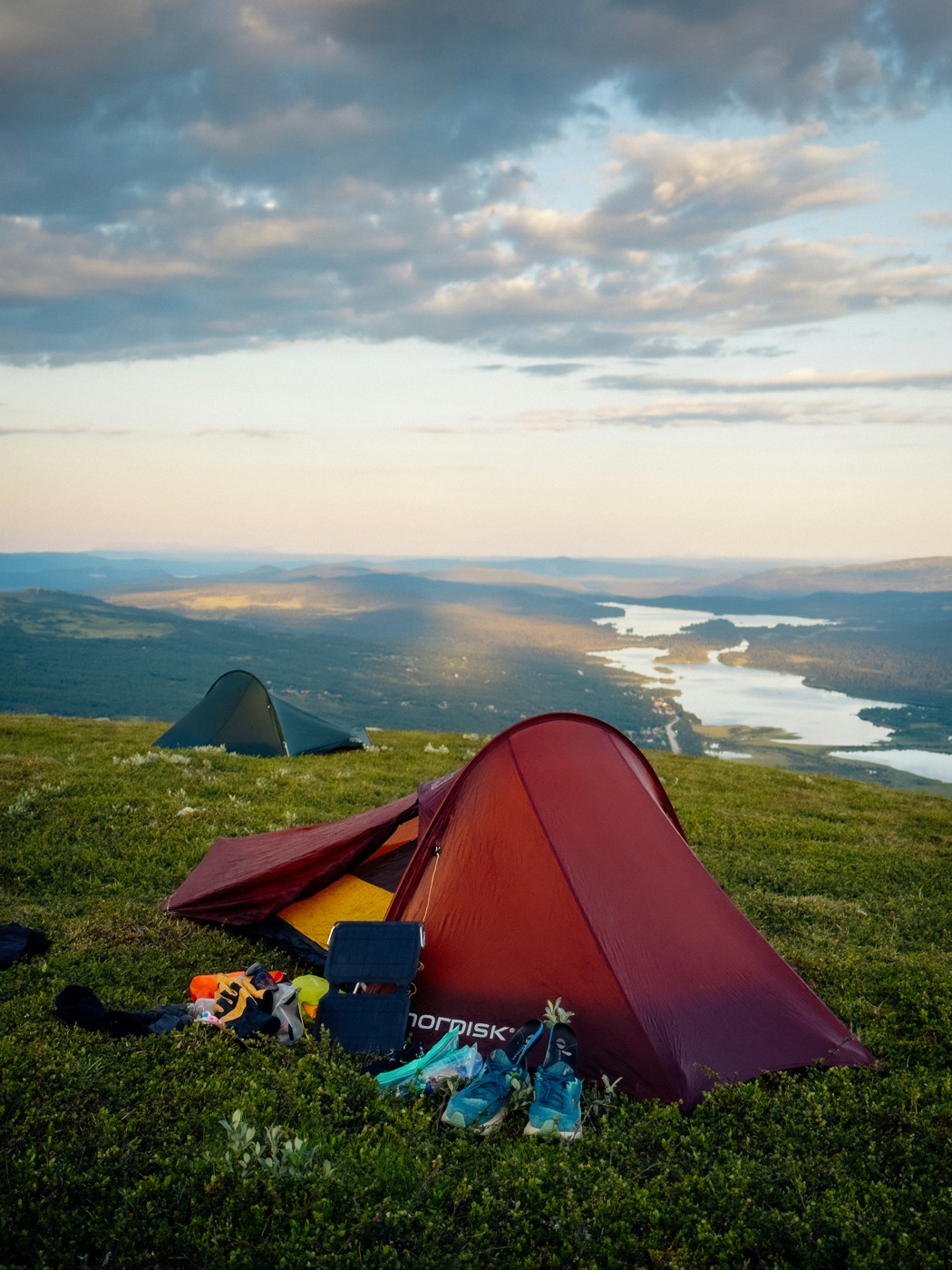
Nordisk is a Scandinavian brand less common in the US but well-loved in European ultralight and touring circles — known for minimalist tunnel-tent designs that trade some of the wind-from-any-direction stability of a dome for lighter weight and a distinctive low profile. Worth knowing about if you want something a little different from the usual American backpacking-tent lineup.
Who it’s for: Hikers who want a lightweight, distinctively-designed tunnel tent outside the usual big US brands.
6. Coleman Sundome — Best Dead-Simple Budget Tent
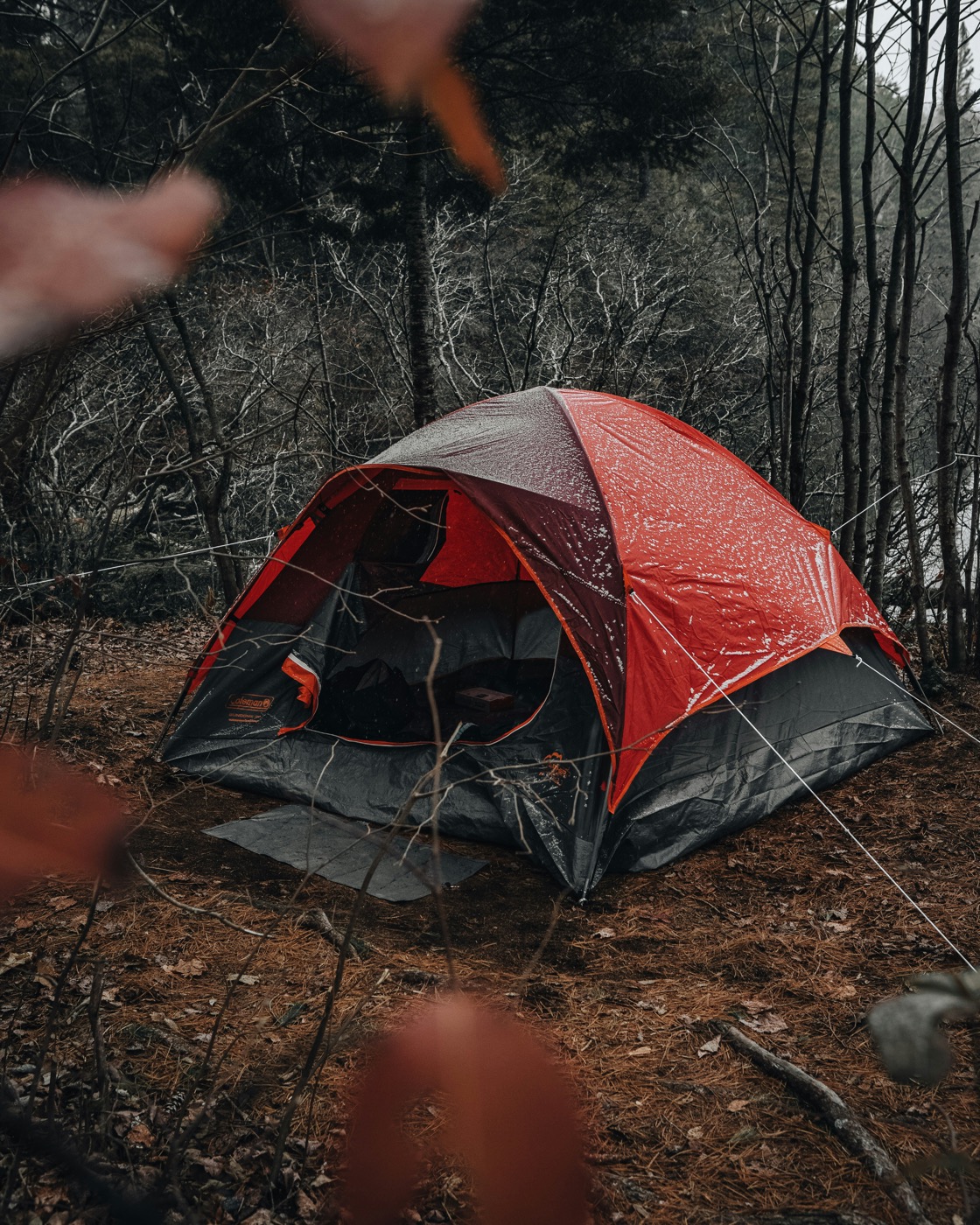
The tent that’s probably been on more first camping trips than any other. Nothing fancy — a basic dome, easy to pitch, genuinely cheap — but it works, and for casual car camping, backyard trips, or a first-ever overnight, that’s really all it needs to do.
Who it’s for: Casual campers who want a cheap, no-fuss tent that just works.
Which Category Do You Actually Need?
- New to backpacking? Start budget (Trailmade) rather than premium — you’ll know what you actually want after a season of trips.
- Backpacking regularly? A proven all-around freestanding tent (Hubba Hubba) is worth the investment.
- Car camping with family? Prioritize floor space and standing height over weight every time (Kingdom 6).
- Winter or high-altitude mountaineering? Don’t improvise with a 3-season tent — get a real geodesic expedition shelter (Trango).
- Want something different? European brands like Nordisk offer genuinely distinct designs worth exploring.
- Just want cheap and simple? A basic dome (Sundome) is completely fine for casual use.
Related Guides
- 📚 Ultralight Backpacking Gear Guide — the complete guide
- Best Ultralight Tents
- Best Car Camping Tents
- Freestanding vs. Non-Freestanding Tents
- How to Patch a Tent, Sleeping Pad, or Other Gear
- The Complete Backpacking Gear Checklist
Go Light. Go Far. Live Wild.
Frequently Asked Questions
What's the difference between a backpacking tent and an expedition tent?
Do I need an expensive tent to start backpacking?
What makes a good family car camping tent?
Get the Sub-10 lb Ultralight Gear Checklist
Join the free PackLite Life newsletter — new gear guides, trip reports, and trail-tested tips — and grab the printable checklist when you sign up. No spam, unsubscribe anytime.