
I’ve owned the Drake Waterfowl Lightweight Packable Jacket (the insulated version) for about a year now, and I have nothing but good things to say about it. It became my near-daily jacket through the winter, and the rest of the year it lives in my backpack as a just-in-case layer for hikes that might turn cold. Drake is a waterfowl-hunting brand, but this one crosses over to everyday and trail use beautifully. Here’s my honest, first-hand take after a full year.
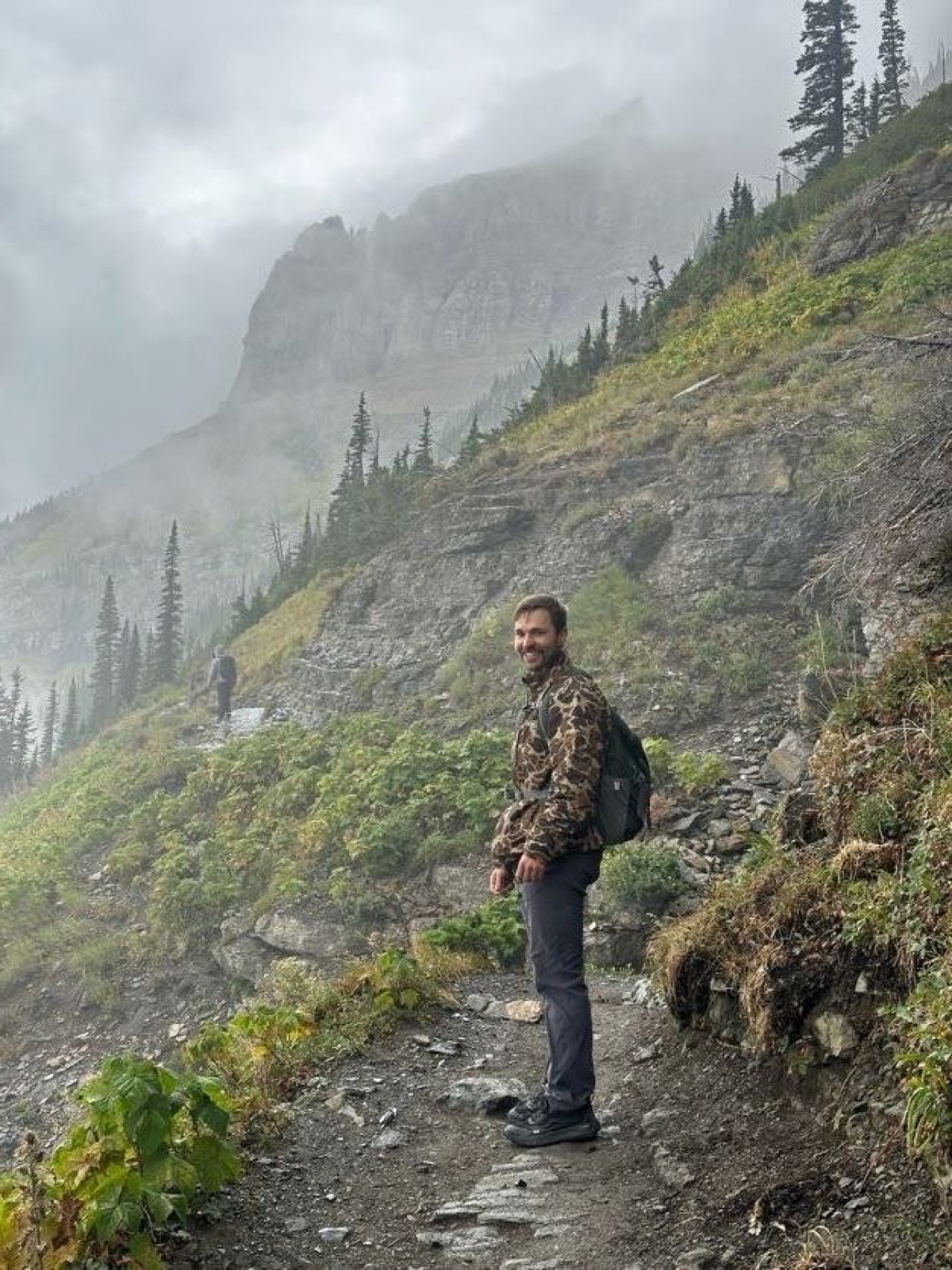 A year in, this jacket is still one of the most-used pieces in my kit.
The Headline: It Packs Down to Nothing
The single best thing about this jacket is how small it gets. It stuffs into its own internal pocket down to roughly a 9" × 4" × 6" cube — small enough that I never think twice about tossing it in my pack. In a world where pack space is everything, that packability is worth a lot. It’s the reason it comes on so many of my hikes: I can carry real insurance against a cold ridge or a sudden temperature drop without it taking over my bag.
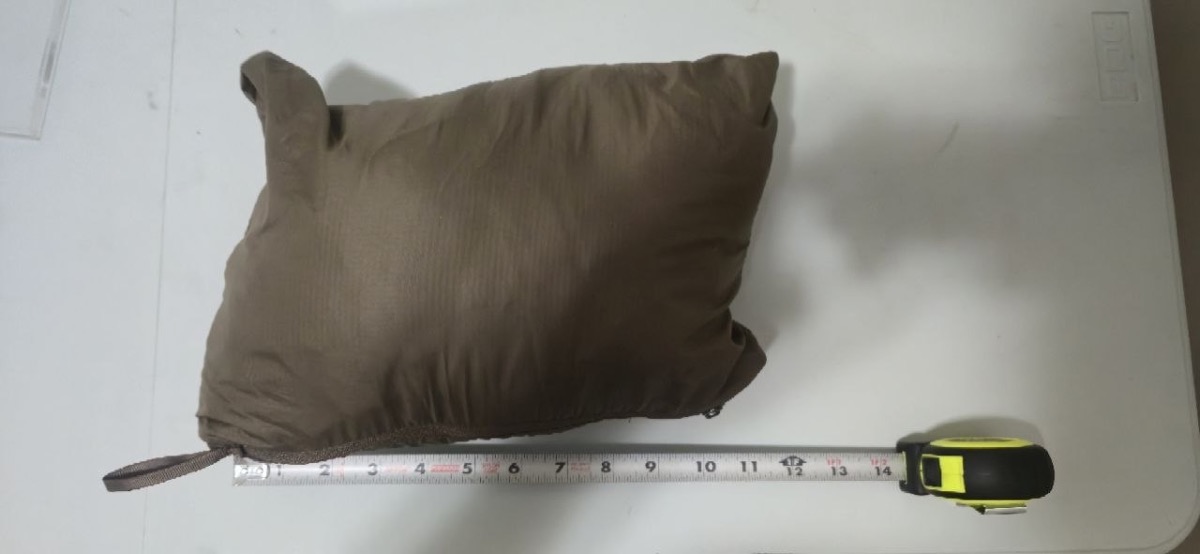 Packed down and measured — right around that 9" x 4" x 6" cube.
Check the Drake Packable Jacket on Amazon →
Warmth
It’s a synthetic-insulated jacket with low-loft baffled insulation — and I’ll be honest: it’s not the warmest jacket I’ve owned. But it doesn’t need to be. I’ve worn it comfortably in 30°F weather for everyday around-town activity, and as a standalone over some base layers I think you could stay comfortable in those conditions for a long time. As a light insulating layer — either on its own in mild cold or as a mid-layer when it really drops — it hits a sweet spot of warmth versus packed size.
Water Resistance
It’s water-repellent, not waterproof — and I want to be straight about that, to my knowledge it’s never been marketed as a true waterproof shell. Based on a year of use, I’d expect it to shrug off a light sprinkle just fine, but I wouldn’t count on it as your rain shell in sustained rain. Think of it as a warm, wind-and-light-moisture-resistant layer, and pair it with a real rain jacket if you’re expecting real weather.
Recent Trail Test: Highline Trail to Grinnell Glacier Overlook
I got a good real-world test of it on September 5th, hiking the Highline Trail out to the Grinnell Glacier Overlook in Glacier National Park. The high that day was around 70°F, but the average temperature through the day sat more in the 50s and 60s, with a stretch of light rain on the trail.
The packability is what stood out most on this hike. Conditions and effort level shifted enough that I was taking the jacket on and off repeatedly, and I could stuff it back into its own pocket and get it into my pack while still walking — no need to stop, dig around, or lose time fussing with it. On a trail like the Highline where you’re moving through changing exposure and elevation, that kind of quick on/off matters more than it sounds like it would.
The light rain also gave me a real test of water resistance beyond just a light sprinkle: it kept me dry through it. That said — consistent with what I said above, I still wouldn’t call it a waterproof jacket, and I wouldn’t push it in a sustained downpour. But for a passing rain shower on a variable-weather alpine trail, it did exactly what I needed it to.
Wind
It cuts the wind pretty well — enough that on a breezy, cool day it makes a real difference. That wind resistance is a big part of why it punches above its weight as a standalone layer in the 30s.
Fit
It’s roomy enough to layer comfortably — I can get base and mid layers under it without it feeling tight. If you like a trim fit you might size down, but the standard fit leaves room to build a system underneath, which is exactly what you want from a packable insulation layer.
Durability & Style
After about a year of regular use, it’s held up well — no complaints, nothing failing. Mine is the “old school” camo pattern and I genuinely love the look; it’s a nice change from the usual solid-color puffies. It’s the kind of jacket that’s earned a permanent spot in the rotation.
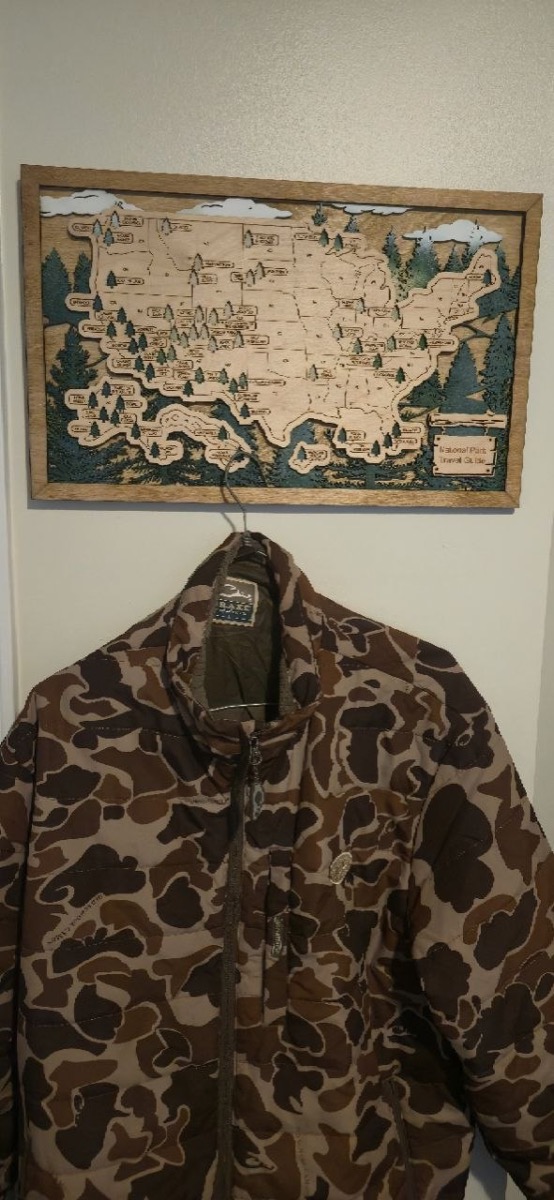 The “old school” camo pattern up close — a nice change from the usual solid-color puffies.
How I Use It
- Near-daily through winter as a do-everything light jacket
- Packed in my backpack as a just-in-case layer on hikes that could get cold
- On mountain hikes where I gain elevation and the temps drop
- Year-round really — fall, spring, and winter, plus those higher-elevation summer hikes
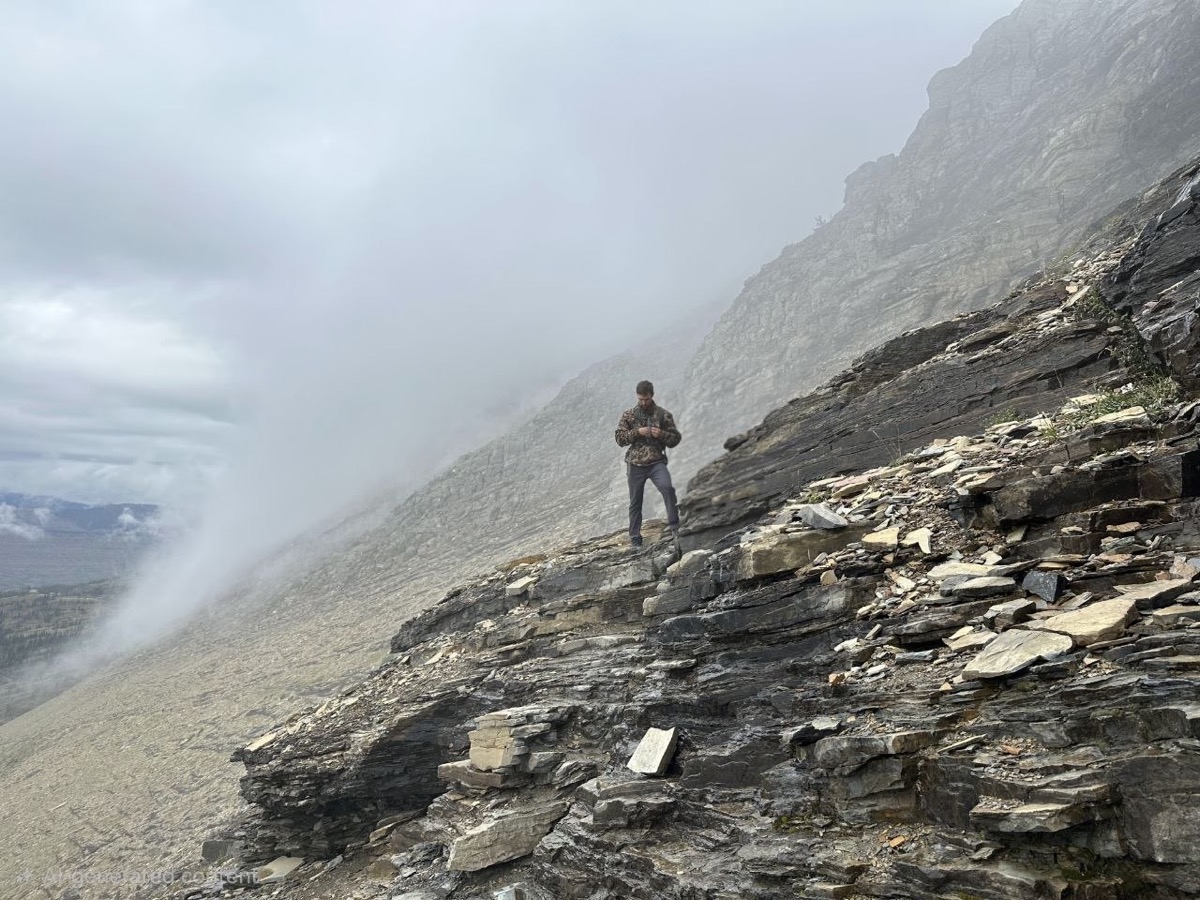 Exactly the kind of exposed, weather-can-turn-fast terrain this jacket earns its spot in the pack for — Glacier National Park.
Who It’s For
I’d recommend it to two kinds of people:
- Anyone who wants a packable “just in case” jacket to keep in their pack on a hike — light enough to forget it’s there, warm enough to be glad you brought it.
- Anyone who wants a lightweight, versatile all-around jacket for daily wear and mild-cold conditions.
What to Know Going In
- It’s not a heavy-warmth parka — it’s a light insulating layer. Set your expectations there and you’ll love it.
- Water-repellent, not waterproof — great for light moisture, not a substitute for a rain shell.
Price & Value
Pricing swings a lot depending on color and options — anywhere from about $75 on sale up to ~$170 at full retail. I caught mine on sale for $75, and at that price it’s a no-brainer — well worth every penny. At the top of the range (~$170), though, I personally think it’s a bit expensive for what it is: a light, moderately warm packable layer. My honest advice — it’s a fantastic deal on sale and a fine-but-pricey buy at full retail, so keep an eye out for a sale and grab it then.
Bottom Line
A year in, the Drake Lightweight Packable Jacket has earned its keep. It’s not the warmest jacket I own, but it packs to a tiny cube, cuts the wind, layers well, and has held up without a single complaint — which makes it one of the most-used pieces in my kit. If you want a light, versatile, genuinely packable insulating layer to live in your bag, this one’s an easy recommendation.
Rating: 4.5 / 5 — docked half a point only because warmth is moderate; for the packed size and versatility, that’s a trade I’ll take every time.
Check the Drake Packable Jacket on Amazon →
Related Guides
- Highline Trail to Grinnell Glacier Overlook — Trip Report
- Best Ultralight Puffy Jackets of 2026
- The Complete Backcountry Layering System
- Best Ultralight Rain Jackets
- How to Keep Your Gear Dry in the Rain
Packs small. Punches above its weight.
Get the Sub-10 lb Ultralight Gear Checklist
Join the free PackLite Life newsletter — new gear guides, trip reports, and trail-tested tips — and grab the printable checklist when you sign up. No spam, unsubscribe anytime.